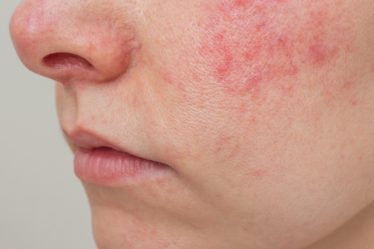
Korean skincare has shifted from a niche trend to a mainstream skincare movement, boosted by viral TikTok routines and a growing focus on skin barrier health
But what exactly makes K-beauty different – and why are so many UK consumers turning to it for acne, sensitivity and glowing skin?
A study by Well Pharmacy Online Doctor found that 13% of Brits trust Korean skincare products for managing acne, and 1 in 10 have adopted a full Korean skincare routine because of the trend. It’s particularly popular with the over-55s, with 67% choosing it for its natural and gentle ingredients.
Glowing skin is the number one aspect of Korean skincare that appeals to consumers (45%), followed by natural, gentle formulations (42%).
The K-beauty trend
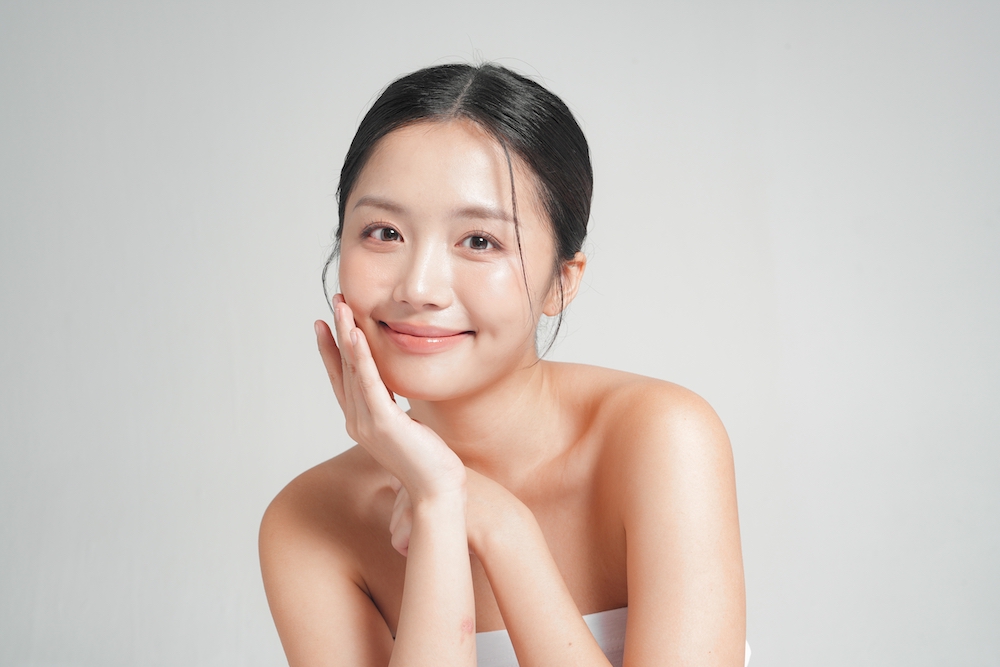
‘K-beauty’ has created trends worldwide, including the now-famous ‘glass skin’ look popularised on social media.
Discussing the rise of k-beauty, chemical engineer and founder of Skin Masterclass, Cigdem Kemal Yilmaz, shared, “The K-beauty market has experienced significant growth in recent years, and according to Future Market Insights is expected to have a compound annual growth rate of 5.90% over the next 10 years.”
Korean UK-trained consultant dermatologist and the founder of Maylin x Dr. Jinah Yoo Dermatology, Dr Jinah Yoo also touched on the growth of k-beauty, noting, “Social media has most definitely played an intrinsic role in the popularity of Korean skincare as a trend.
“The pursuit to achieve the highly acclaimed ‘glass skin’ sparked a phenomenon and has created increased demand and opportunity – with many Korean based brands now available to shop in the UK and US.
“Korean skincare/beauty is one of the country’s biggest businesses and exports so it’s fantastic to see it gaining traction and recognition worldwide.”
What makes korean skincare different?
Unlike many Western skincare routines, Korean skincare prioritises skin health and barrier protection over aggressive treatments.
“Korean skincare products promote hydration and reduce inflammation using gentler ingredients. This approach ensures the skin is nourished without drying it out,” explains Dr Yoo.
Rebecca Elsdon, skin therapist owner of Re/Skin clinic, adds, “Korean skincare focuses on gentle yet effective products to achieve healthy, glowing skin. The philosophy centres on nourishing the skin, taking a holistic approach to skin concerns, and encouraging self-care rather than aggressive treatments.”
The 10-step Korean skincare routine, explained
The iconic K-beauty routine has been in use for decades in South Korea. Yilmaz outlines, “The steps include a three-step cleanse (oil-based, water-based and exfoliation) so the products applied after can penetrate the skin better with optimal results.”
However, she stresses that it’s not necessarily about following all 10 steps every day. “What is important is that professionals and consumers understand the purpose of each step, then select and choose depending on the individual skin goals of the client.”
What kind of ingredients do you find in Korean skincare?
“Korean skincare is highly renowned for its fermented skincare products, CC creams and oil-based cleansers which are all very affordable and I would struggle to find Western equivalents to match up to their quality, and certainly their price,” says Dr Christine Hall, Korean beauty specialist, doctor and pharmacist.
“There are so many ingredients that are used in K-beauty that we just can’t get in the UK but houttuynia cordata (a.k.a heart leaf) is an ingredient that is gaining in popularity in Korea and is being hailed as the next big thing in skincare as the product that will fix inflamed skin. It is a soothing ingredient that also has antioxidant properties but is also being used by many Koreans to successfully help with congested skin and blackheads.”
When it comes to active ingredients, PHAs (polyhydroxy acids) are a lot more popular in Korean skincare as they exfoliate the skin at surface level without penetrating too deep and aggravating skin as other acids commonly used in Western skincare would.
Yilmaz adds, “Ingredients focus on supporting and healing the skin with a low risk of irritation and dryness, making them a popular choice with consumers. Although they are gentler on the skin, they still possess potent benefits that result in clear, radiant skin.”
Unique ingredients in Korean skincare and makeup
- Bee Venom – bee venom acts as a bacteriostatic agent, preventing the growth of bacteria, further supported by its anti-inflammatory activity. It may also reduce the appearance of wrinkles.
- Centella – Also known as Gotu Kola, Centella offers multiple benefits for the skin. It promotes wound healing, soothes inflammation, provides antioxidant protection, and improves skin hydration and elasticity.
- Propolis – Propolis is a resinous substance collected by bees, that offers antibacterial, antifungal, anti-inflammatory, and antioxidant benefits for the skin. It helps to heal and protect the skin, fight acne, reduce redness and irritation, and promote wound healing and skin renewal. Patch testing is recommended for new skincare products.
- Mugwort – Mugwort, a herb used in skincare, offers antibacterial, anti-inflammatory, and antioxidant benefits for the skin. It soothes irritation and may aid in wound healing making it suitable for sensitive skin.
- Panax Ginseng Root Extract – this traditional Korean herb is known for its anti-ageing properties. Ginseng contains phytonutrients that help to brighten the skin, reduce wrinkles, and improve elasticity.
- Galactomyces Ferment Filtrate – this is a type of yeast extract obtained from the fermentation of galactomyces. It helps to brighten the skin, even out skin tone, and reduce the appearance of pores.
- Liquorice Root Extract – liquorice root extract contains compounds like glabridin that have anti-inflammatory and skin-brightening properties. It helps to even out skin tone, fade dark spots and hyperpigmentation, and soothe irritated skin. It is well paired with other ingredients such as alpha-arbutin and kojic acid.
- Beta-Glucan – derived from yeast or oats, beta-glucan is a humectant and antioxidant that helps to hydrate the skin, boost collagen production, and strengthen the skin barrier. It also has soothing properties, making it suitable for sensitive or irritated skin.
What treatments pair well with the Korean skincare ethos?
Dr Hall believes that advanced treatments pair very well with K-beauty, due to its calming and nourishing nature. She recommends treatments that prioritise hydration and skin health.
“Skin boosters aimed at hydration work synergistically with K-beauty, while controlled microtrauma treatments such as laser and microneedling will heal more quickly, and downtime is often reduced with the use of ingredients found in the skincare.”
Korean skincare has redefined how both consumers and professionals approach skin health. Its emphasis on hydration, barrier repair, and gentle yet effective formulas appeals to a wide audience, particularly those with sensitive or acne-prone skin. With innovative ingredients and adaptable routines, K-beauty continues to influence global skincare habits, showing that when you prioritise the health of the skin first, the results will follow.
Korean skincare Q&A: How to answer your clients’ common questions
What is Korean skincare?
Korean skincare is a gentle, hydration-focused approach that prioritises skin health and barrier protection. It uses scientifically backed ingredients to nourish, calm, and improve the skin’s appearance without aggressive treatments.
What makes K-beauty different from Western skincare?
Unlike many Western routines that focus on strong actives and rapid results, K-beauty emphasises long-term skin health, hydration, and gentle exfoliation. Its products minimise irritation while delivering visible improvements.
Do I need to follow the 10-step Korean skincare routine every day?
No. The 10-step routine is a guideline, but the key is to tailor it to individual skin goals, whether that’s cleansing, hydration, or treatment.
Which skin types benefit most from Korean skincare?
K-beauty is suitable for all skin types, but it is particularly popular with sensitive and acne-prone skin. Ingredients like PHAs, mugwort, and heart leaf help calm irritation while providing gentle exfoliation.
Can professional treatments complement Korean skincare?
Yes. Treatments focused on hydration, barrier support, and gentle rejuvenation pair well with K-beauty. Skin boosters, LED therapy, microneedling, and controlled laser treatments heal more quickly and work synergistically with Korean skincare products.
You might also like: