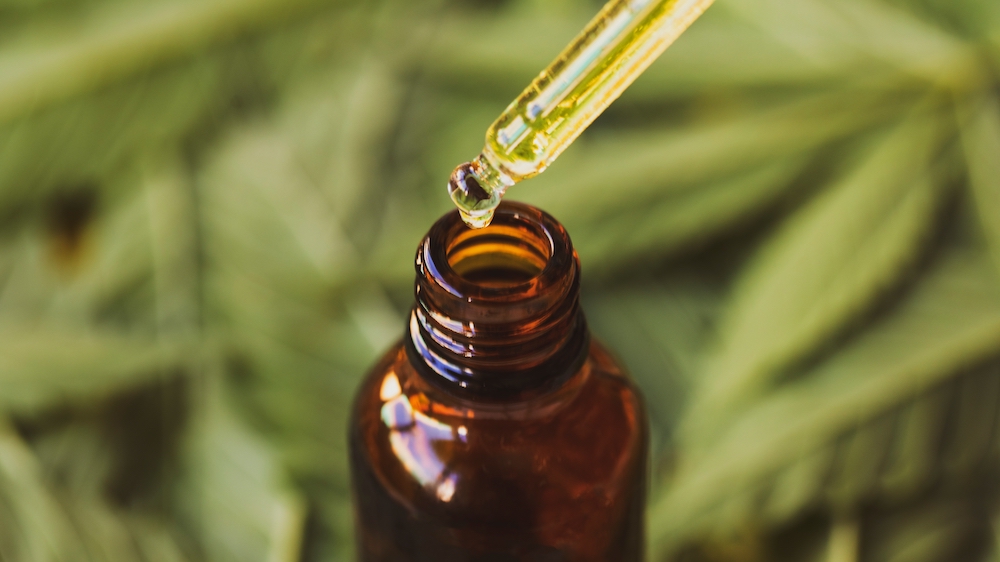
You’ve probably already heard a lot about CBD oil in beauty, and if you haven’t, expect clients to start asking questions. Cannabidiol (CBD) oil comes from the cannabis sativa plant but doesn’t have any psychoactive properties, so is fully legal in the UK.
The difference between CBD and cannabis as a drug lies in the strain of the plant it is extracted from – hemp or marijuana.
While the marijuana plant contains very high levels of THC (the psychoactive compound that gets weed users “high”), alongside cannabidiol, hemp generally contains less than 0.3%, making it a safe source of THC-free CBD.
In an increasingly competitive beauty and wellness landscape, standing out from the crowd takes more than beautiful décor or premium products. Today’s clients are more informed, health-conscious and experience-driven than ever.
As a result, salon and spa professionals are turning to innovative ingredients that not only enhance treatment outcomes but also support business growth – like CBD.
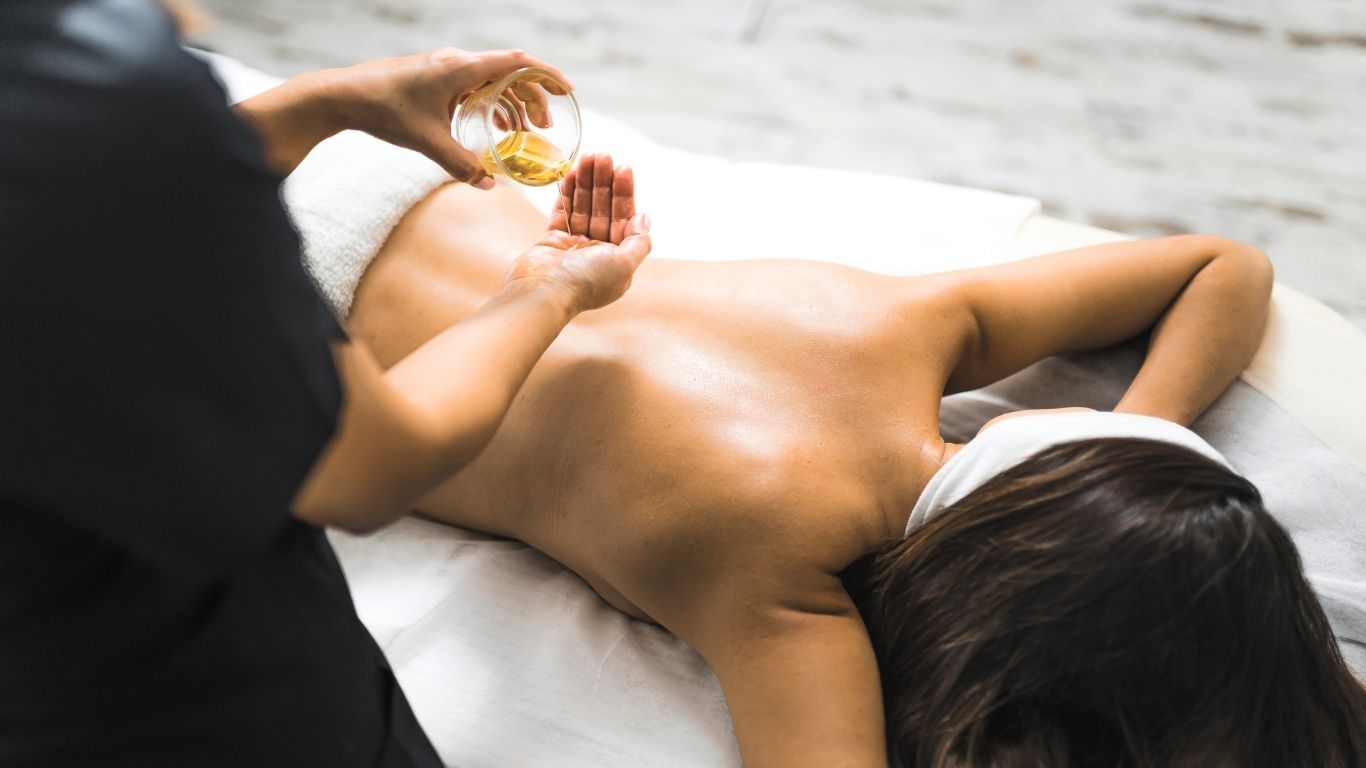
One of the most talked-about and profitable additions to emerge in recent years is the use of topical CBD products such as massage oils, balms and creams in treatments. Once considered niche, CBD has moved firmly into the mainstream, offering therapists and salon owners a new way to boost their brand identity, elevate treatments, and attract a loyal, wellness-focused clientele.
Why is CBD a popular ingredient in beauty products and services?
Nowadays, clients are not just seeking pampering, they want holistic wellness. From managing stress and improving sleep to soothing sore muscles, CBD-based treatments align with the wellness goals of a broad population.
One of the most important demographics for salons today is clients over the age of 50 with disposable income, no time restraints and a heightened interest in health.
By offering CBD treatments to those who are menopausal or suffering from arthritis and aching muscles, you can boost your bottom line.
Adding CBD to your treatments
Before introducing CBD to your treatment menu, it’s essential to understand what it is and what it isn’t. Cannabidiol (CBD) is one of 500 compounds derived from hemp, and it’s celebrated for its anti-inflammatory, antioxidant and calming properties.
In massage, CBD can help reduce redness, relieve muscle tension and promote deep relaxation. Topical CBD binds with the CB2 receptors in the deep reticular dermis providing targeted pain relief, ideal for a client with muscle or joint aches.
Introducing CBD doesn’t have to mean a total service overhaul. Small, thoughtful integrations like switching to CBD massage oils, incorporating CBD creams into hand massages, or offering take-home retail products can enhance perceived value and increase average spend.
As with any wellness trend, due diligence matters. Ensure that all your CBD products come from a reputable supplier who can provide lab reports, train your staff and provide information to clients.
How to market CBD beauty treatments in your salon
How you communicate your CBD offering is just as important as the treatments themselves. Clients are intrigued but may be cautious, so transparency is key.
Spend time training staff or ask your CBD provider to do so – when therapists understand CBD, they can pass the knowledge confidently to their clients. Short videos or posts on your social media about your CBD treatments can set you apart from your competitors and not only educate clients but can promote bookings.
By combining the science and wellness, salons and therapists can create experiences that resonate with today’s discerning clients and keep them coming back for more.