Apprenticeships play a vital role in developing skilled, confident professionals within the beauty industry. For salons and spas, they offer a practical, long-term solution to nurturing talent while maintaining high standards of service.
We spoke with Kerry Symons, spa manager at Champneys Henlow, about why apprenticeships work so well for beauty businesses – and how they benefit both employers and aspiring therapists.
Why are apprenticeships ideal for salon and spa businesses?
“I was an apprentice myself over 30 years ago on a government-run scheme, with in-house training every Thursday. I’ve always been very pro-apprenticeships, especially as for a long time they seemed to disappear.
“What I noticed over the years was that the quality of therapists coming straight from college, particularly their practical skills, wasn’t always where it needed to be. As a spa manager, I’d interview candidates who couldn’t confidently perform treatments like an eyelash tint, a proper manicure, and their movements for a facial weren’t exactly what we expected.
“As a company, we do a full week’s induction to train therapists in our standards, but one week is never enough. Some colleges produce excellent therapists, but the standards vary widely.
“With an apprenticeship scheme, you can tailor the training to your business. At Champneys, finishing touches are incredibly important.
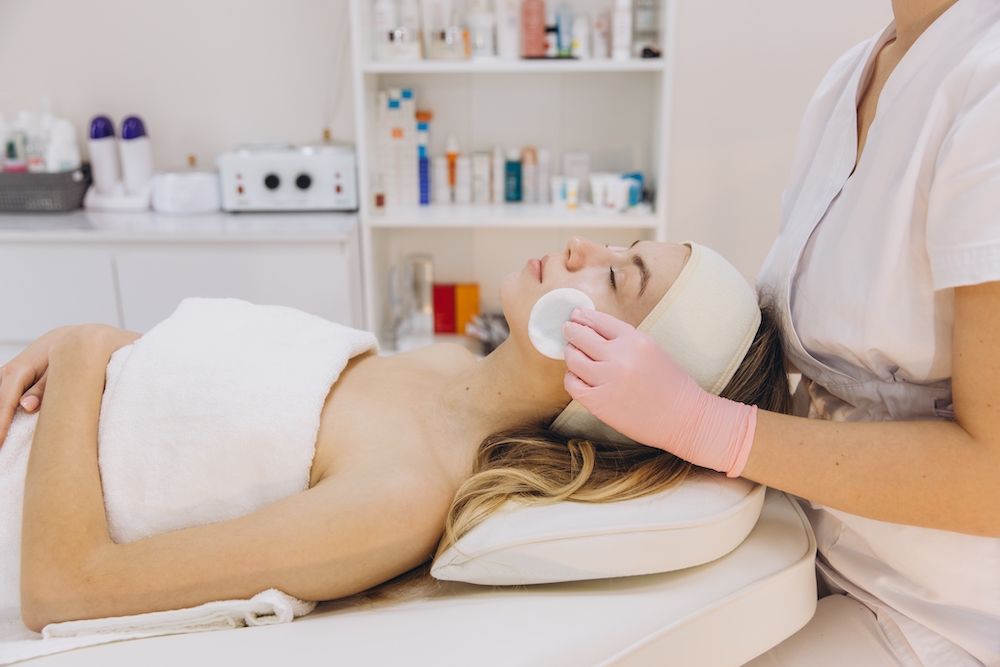
“Simple things – like maintaining contact with the client instead of abruptly removing your hands – make a huge difference to the guest experience, and those details can be taught consistently through apprenticeships.
“It’s also about the hard work ethic. I still go to a lot of colleges and do talks, and the students are on their phones, they’ve still got their coats on – the ethos is totally different.
“For me, to get the apprenticeship scheme up and running at Champneys again was amazing because I can nurture them as a manager, and I can help inspire them for whatever journey they want to go on.
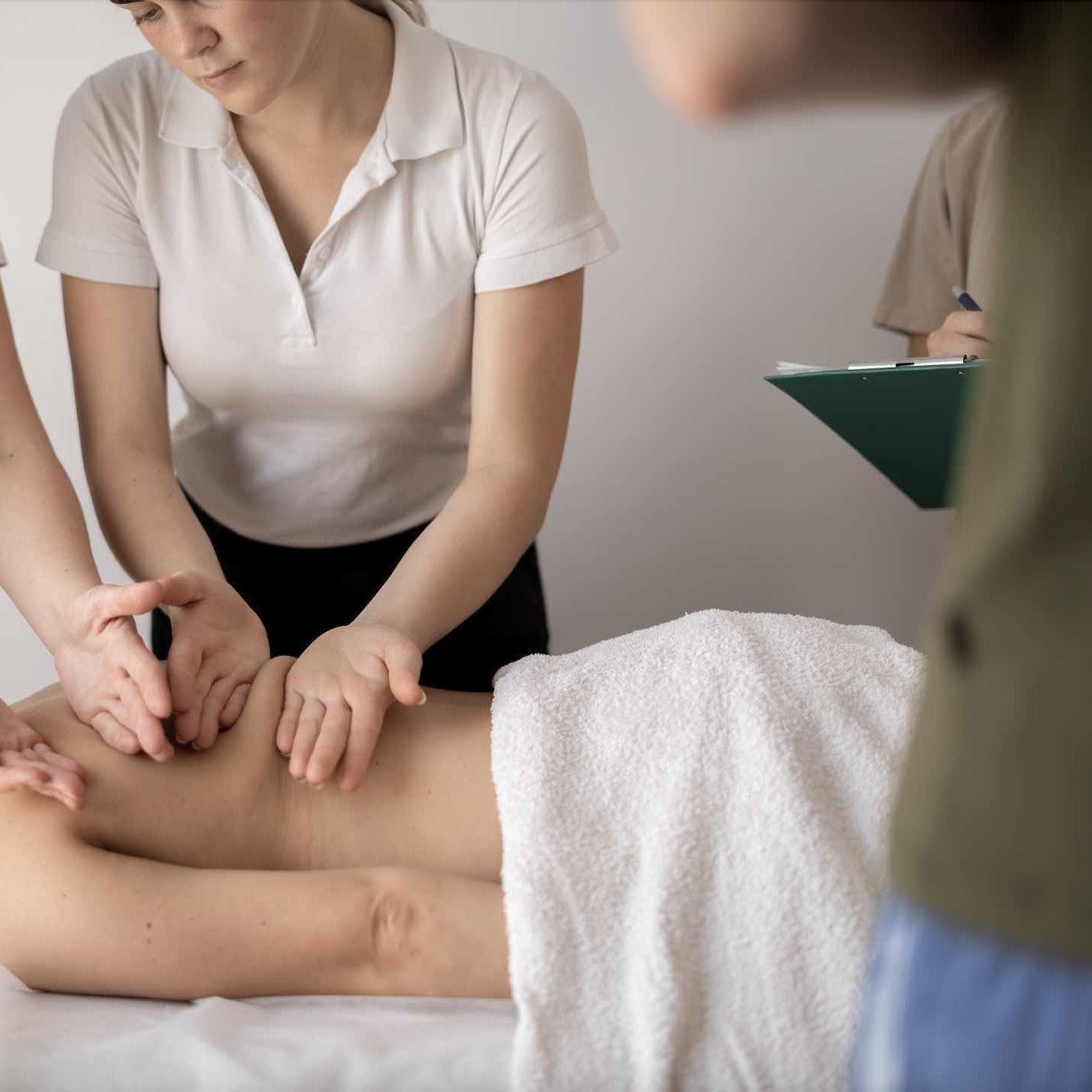
“We also have an input on what they’re trained in. We have a really good relationship with Armonia [the apprenticeship provider] and its founder Diane Hey, so there’s constant communication to make sure that when the apprentices come back to me, I know who needs to put more effort in, who needs more theory work, who needs more practice. They can get so much hands-on practice, which I don’t feel that students get at college.
“The apprenticeship gives them that dedication because it’s 40 hours a week. Sometimes you get people from colleges and they only want to work three or four days – and I never had that in me! I always wanted to work five days. I think the apprenticeship brings them back to reality.”
What additional skills can apprentices learn?
“The apprenticeship gives the apprentices a really good insight into the financial side of things. At college they don’t really teach that – they don’t retail, they don’t talk about targets.
“In our morning meetings, we talk about where we are with our monthly targets, who’s doing well, and that encourages them to go on further towards being a senior therapist or a premier therapist, or go into management.”
How do apprenticeships benefit spa and salon businesses?
“From a commercial perspective, apprenticeships also generate revenue. Once apprentices are trained and qualified, they can offer treatments at a reduced rate. Guests receive high-quality services at a lower price, and the business continues to bring in income.
“Apprentices also support the wider team with essential daily duties like opening and closing tasks. It makes life easier for senior therapists and helps apprentices understand how a spa really operates. It’s genuinely beneficial for both sides.”
What’s the main point of difference between apprenticeships and other routes into beauty therapy?
“The biggest difference is on-the-job training. At Champneys, we offer specialist facilities like flotation beds, thalassotherapy pools, and mud chambers.
“Apprentices start interacting with guests straight away, even before performing treatments. That early guest contact builds confidence, communication skills, and professionalism. For young people who may never have had a job before, that experience is invaluable – and it’s something they might not get through other training routes.”
You might also like: