Published
24th Feb 2026
As celebrity-backed skincare brands launch for children and TikTok fuels multi-step routines for pre-teens, professionals warn that young skin is being exposed to ingredients it simply doesn’t need
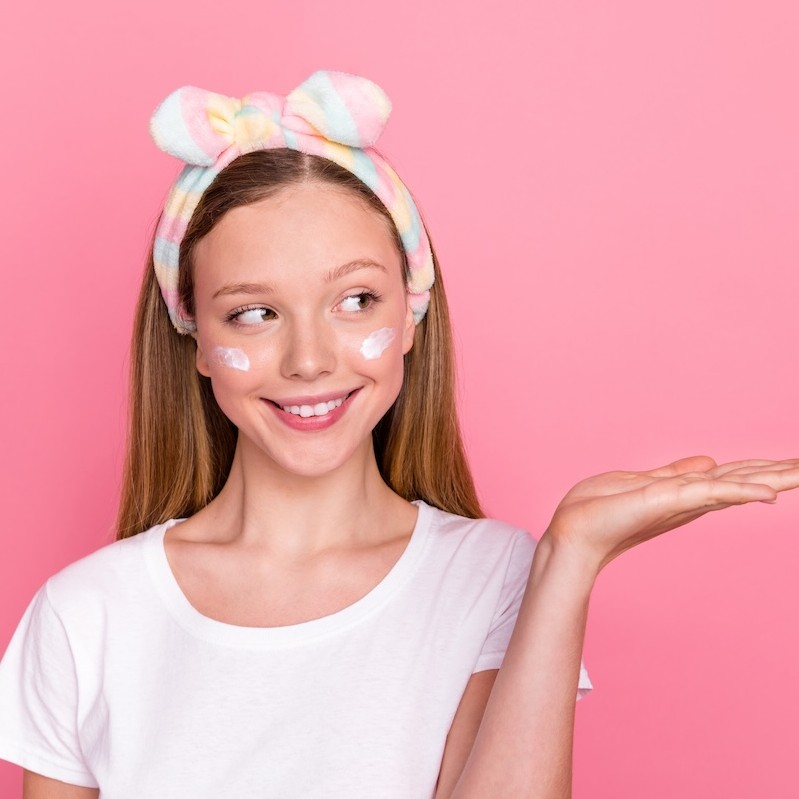
Social media has created a number of questionable trends in recent years, and one of the most concerning is the rise of the “Sephora tween”.
This refers to pre-teens flocking to beauty retailers to buy – or persuading their parents to buy – skincare products popularised by influencers on TikTok.
“I believe social media is the reason for what feels like an overnight obsession with skincare,” comments skincare expert Fiona Brackenbury, who has over 30 years’ experience in the beauty industry. “There are more children using TikTok and sharing their skincare routines, which then spirals out of control.”
Dr Sonia Khorana, a GP with a special interest in dermatology, believes packaging and positioning also play a role.
“I think tweens are drawn to products with colourful packaging and push-down pumps, because they’re inadvertently marketing towards a younger demographic – such products are seen frequently on social media.
“It’s also apparently the ‘cool’ thing and it’s what everyone’s using on social media. A lot of brands and products that are popular amongst tweens also have tween ambassadors. Tweens are just following a trend and wanting the same products that are marketed by their top creators.”
The debate has intensified further with celebrity-backed skincare brands launching lines aimed at children as young as three.
Advanced facialist Mariam Abbas stresses that intent and messaging matter:
“When done ethically and marketed to parents, clean skincare formulated specifically for children can be a positive step… However, formulation and marketing are two very different issues. Skincare at this age should be positioned around hygiene and skin health, not beauty ideals or corrective routines.”
Nadia Aminian, senior aesthetician at Taktouk Clinic in London, is unequivocal: “I believe children at this age just need protection from a high SPF. The skin is still building its barrier, and adding products into this process can have adverse effects.”
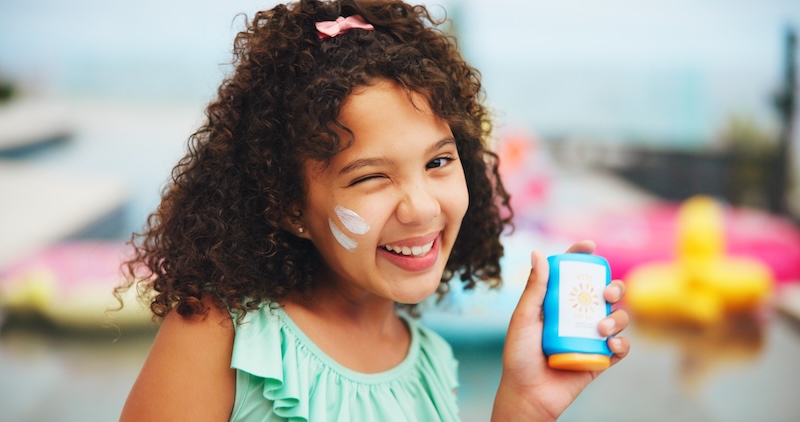
Over a quarter of UK tweens are using retinol
New data suggests the trend is more than anecdotal.
A 2025 report from Pai Skincare found that more than one in four UK tweens (aged 9-12) are using products containing potent actives such as retinol and AHAs. The survey of 1,500 UK girls and their parents revealed:
- 46% use multiple skincare products each week
- More than half do not check ingredient labels
- 41% rely on influencers for product recommendations
- 48.4% use skincare to achieve “clearer, blemish-free skin”
Dr Khorana warns that these ingredients are not designed for pre-teen skin.
“Products containing such ingredients are formulated for mature skin and to help speed up skin cell turnover – they can really do damage to the skin barrier when used by tweens,” she says.
“Children can experience redness, soreness, dry skin and irritation. Collagen and elastin are robust in tween skin, so they don’t need these products. They may also develop allergies to these substances.”
How is children’s skin different from adult skin?
Understanding the physiology is essential before recommending any product.
“Skin is an organ that is constantly changing,” explains Aminian. “When we are children, our skin is thinner, produces small amounts of oil and has a rapid cell renewal meaning it heals quicker due to the amount of collagen present.”
Sebaceous glands remain largely inactive throughout early childhood.
“Until children enter their tweens they have smooth, problem free skin because their sebaceous glands are almost inactive,” Abbas explains.
Hormonal changes in the tween years increase oil production, but that does not mean adult-style routines are required.
“Teenagers have an adult pH and microbiome but still have young skin so shouldn’t be exposed to harsh actives and alkaline soaps,” says Abbas.
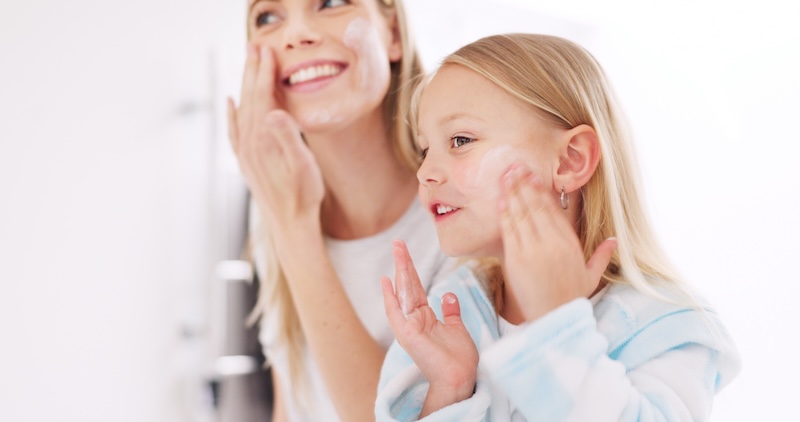
The ingredient risk: what professionals should watch for
Popular brands among tweens include Drunk Elephant, Glow Recipe and Laneige. While visually appealing, some contain glycolic acid, salicylic acid, vitamin C and retinoids.
“When you are being influenced to buy something because it’s cute or colourful and looks fun, unfortunately the focus is taken away from what is in the formula,” says Brackenbury.
Abbas explains the barrier implications:
“Strong exfoliants can increase trans epidermal water loss, causing dehydration, disrupting the skin’s pH, and preventing the healthy, long-term development of the microbiome.”
Aminian is blunt: “Simple – it damages it. As the skin matures the barrier won’t be intact therefore it can lead to more skin problems like acne, pigmentation and extreme redness and dryness.”
Even ingredients often perceived as gentle may be unnecessary.
“I think hyaluronic acid is one that everyone says is suitable for a younger skin, however at a young age the skin is hydrated and plump, so there is no need for anything extra to be added,” says Aminian.
What does age-appropriate skincare for tweens look like?
For most professionals, the answer is simple.
“Keep it clean with a gentle cleanser, replace the moisture and protect from UV damage. That’s it!” says skin health expert Louise Thomas-Minns.
Abbas echoes this: “A gentle sulphate-free, pH-balanced soap or cleanser and broad-spectrum sun protection.”
Aminian agrees: “Just an SPF and a baby moisturiser to just help protect the barrier as it starts thickening.”
Exfoliation is firmly discouraged.
“A child’s skin does not need exfoliation… when you exfoliate you are interfering in this process and the skin can stop its natural maturing which can result in an impaired skin barrier,” says Aminian.
However, Dr Khorana notes that there are exceptions. In cases of genuine breakouts, she may advise “a cleanser with salicylic acid or a topical product containing a retinoid” for oily or blemish-prone skin, but stresses these “should be used under the advice of a professional.”
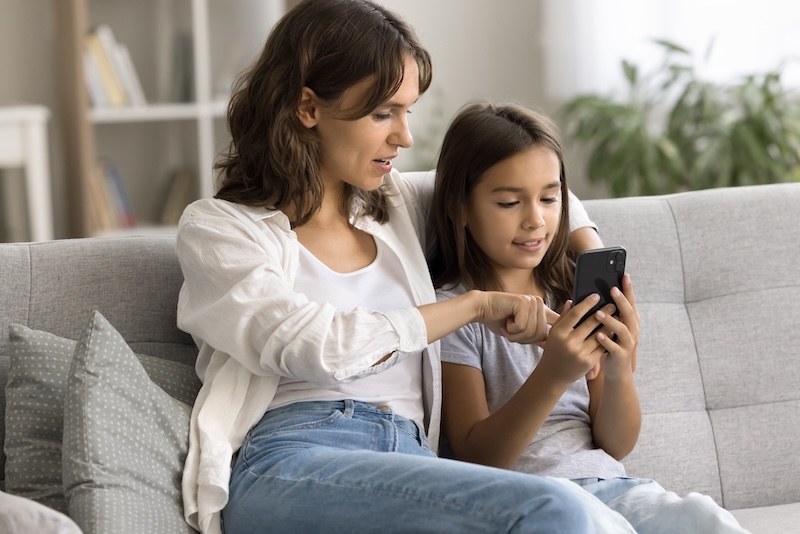
Bridging the education gap
Convincing tweens to swap trends for science is not always easy.
“It’s important to have a collaborative conversation with tweens and not be dismissive,” advises Dr Khorana. “An interest in skincare itself isn’t concerning as building good skincare habits is a good idea, so education and an open conversation is important. For example, education about sun damage can encourage sunscreen use.”
Brackenbury believes salons can play a proactive role.
“I have been inundated with mums asking me what they can do,” she says. “They are pleased their daughters are interested in skincare, but they want to make sure they buy something that is respecting their young skin.”
She adds, “I think that if the tween is engaged in skincare, then this is a brilliant step forward and it’s time to invite them into the salon with their mum to set them up for skincare success.
“There is a huge opportunity for salons and clinics to run masterclasses for tweens and mums to educate everyone on what they should be doing.”
Thomas-Minns also sees education as central, but acknowledges the commercial reality.
“We can, with parental or carer consent, provide skin health consultations and treatments if necessary, but I’m also mindful of the fact that we have to charge for this service, which can be challenging for parents and carers.
“We can try to get the message out there of the basics of caring for skin and that it’s not attached to a ‘trend’ or a particular product or the perception of the way we should look; it’s about self-care and being healthy.”
She also believes vigilance around social media is key:
“Parents, carers and schools need to discourage, educate and take the glamour away from social media.”
Is skincare becoming early beauty conditioning?
Experts are increasingly concerned about the psychological implications of the trend.
“Sadly, very little of the current children’s skincare obsession is rooted in genuine skin health or education,” says Abbas. “Children aren’t being taught how to care for their skin properly; they are being sold an unrealistic beauty standard.”
Aminian agrees: “Skincare routines should be about protecting your skin, but skincare brands and imaging are changing this… it’s now becoming a way of children feeling more mature, older and even included.”
When celebrity founders frame skincare as empowerment, Aminian warns children may interpret that differently to adults.
“Messages that people endorse becomes a must not a choice… it could come across as ‘this is what I need to make me pretty and confident’.”
The responsibility of brands and professionals
Dr Khorana believes brands must step up.
“Elaborate (and expensive) skincare routines aren’t a necessity for tweens and it would be good for brands to say this… Brands do have a responsibility to educate tweens on what’s best for their skin and age – not just allowing them to copy what they see trending on social media.”
Abbas adds: “Marketing campaigns should be focused on skin health rather than creating unrealistic beauty standards.”
And the core message for beauty professionals?
As Abbas puts it: “To focus on skin health instead of perfection, seek advice from professionals instead of on social media.”
For now, the expert consensus is clear: children’s skincare should be about protection, education and barrier support – not actives, aesthetics or aspiration.
You might also like: