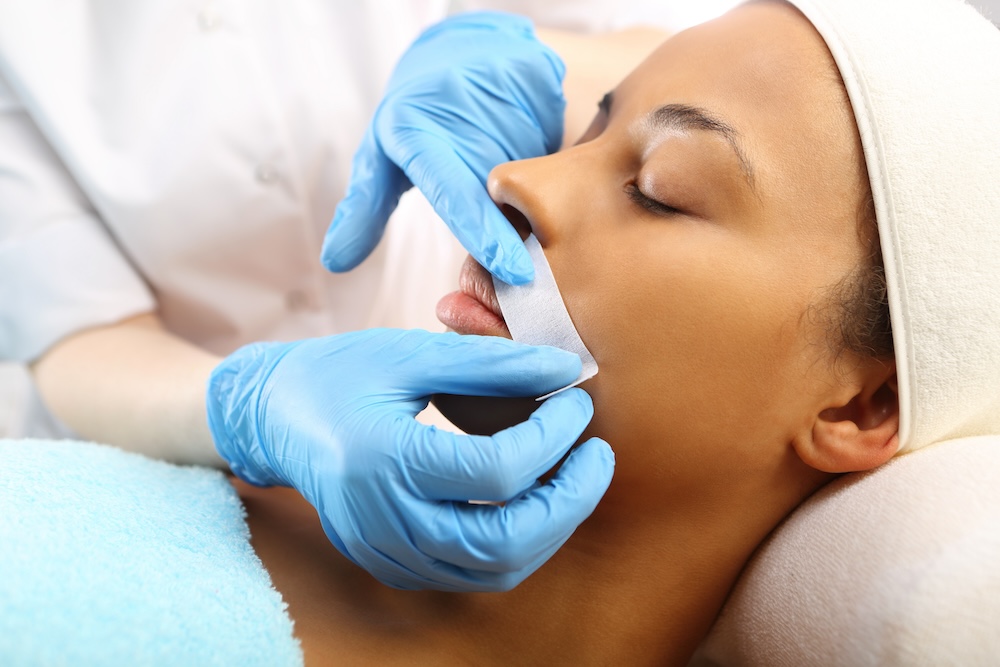
Navigating sensitive skin when waxing is a challenge, and minimising trauma is key
Waxing clients with sensitive skin requires a tailored approach to product selection, technique and aftercare. Understanding how the skin barrier reacts, how to choose the right wax, and when to avoid treatment altogether helps therapists deliver safer and more comfortable waxing results.
What wax is best for people with sensitive skin?
When a client informs you that they suffer from sensitive skin, the first thing to consider if the best type of wax to use.
“Hot wax is designed to be used on delicate, sensitive areas – this includes the face, underarms and intimate areas,” says Becky Priest, waxing specialist, educator and content creator. This is because hot wax grips the hair but not the skin, making it gentler than other wax methods.

“Not only will it feel more comfortable for your client, but it will help to protect the skin too,” Priest adds.
However, strip waxing can still be a viable option for clients with sensitive skin – if you select the right wax. Louise Wendt de Oliveira, head of treatments and training at nkd waxing, comments, “When treating a client with sensitive skin, we would always go for a hypoallergenic wax, such as Perron Rigot’s Cristal Ocean, to keep the skin calm and reduce irritation.”
Best wax application and techniques for sensitive skin
Working with sensitive skin requires adjustments to your waxing technique to reduce friction and minimise trauma. Small changes in application, product choice and section size can dramatically improve the client’s comfort.
“You can apply the wax in smaller sections, which would allow you to more closely monitor how the skin is reacting that day,” suggests Kate McPake, an intimate waxing specialist based in Carlisile.
“I will also inspect the skin to determine whether it requires some pre-wax oil, if the skin is dry, or talc-free powder, if there is excess moisture. It’s all about tailoring my technique to what the client’s skin requires,” she adds.
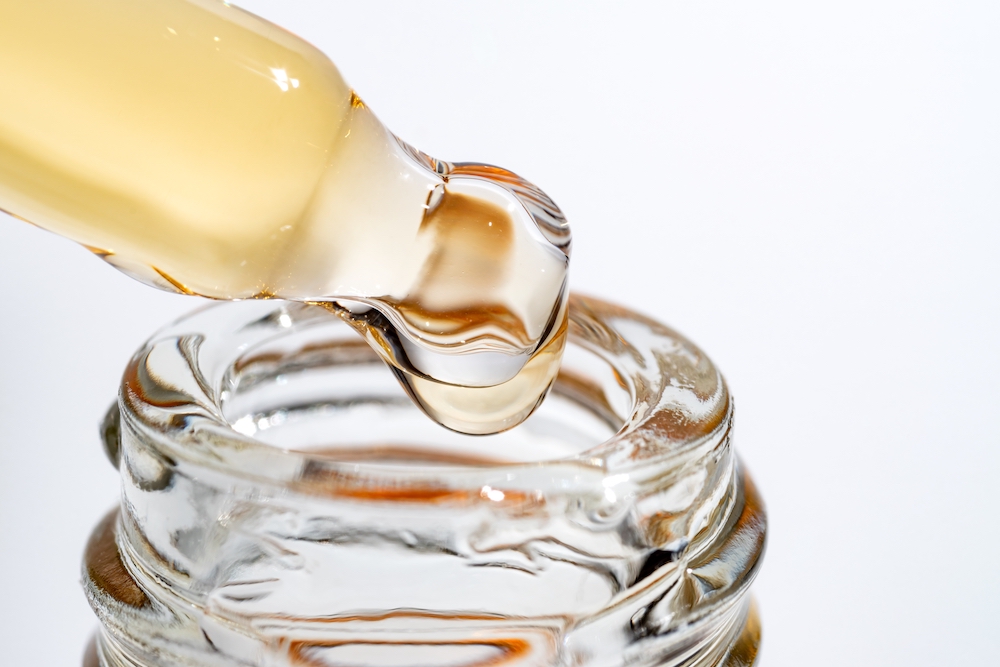
Meanwhile Priest advises to layer as thinly as you can if using strip wax. “Thickness will cause skin to bounce and pull underneath,” she explains. She also highlights the importance of changing your strip regularly, “as the more wax that builds up, the more it will tug at the skin”.
Best waxing aftercare for clients with sensitive skin
“Aftercare is non-negotiable for all clients, let alone those with sensitive skin,” stresses Wendt de Oliveira.
When it comes to post-wax homecare, she explains that the three essentials are:
- An anti-bacterial skin wash
- A moisturiser
- An exfoliator
However, it’s important to ensure the products your clients are using are designed specifically for post-waxing, and are suitable for all areas of the body that the client has had waxed.
“The worst thing that a client could do is pull out any old moisturiser or scrub from the back of their bathroom cabinet and use that. Most exfoliators and moisturisers are not suitable for intimate areas, which a lot of clients have waxed, so salons and therapists need to make sure they stock the appropriate products,” she explains.

Ensuring your clients are using the appropriate aftercare products is only half the battle, with McPake adding that she likes to remind her clients of the importance of adopting a daily homecare routine, to ensure optimal results.
When to avoid waxing sensitive skin – contraindications
Before carrying out any waxing treatment – especially on clients with sensitive skin – it’s essential to complete a thorough consultation and check for contraindications. Identifying potential issues in advance helps prevent adverse reactions such as skin lifting, irritation, or post-wax inflammation.
- Use of topical steroids or retinol-based skincare: These ingredients can thin the skin and increase the risk of lifting, tearing, or heightened sensitivity during waxing. Clients using prescription-strength retinoids require extra caution.
- Recent sunburn or overexposure to UV: Sun-damaged or peeling skin is far more prone to trauma, making waxing unsuitable until fully healed.
- Active eczema, psoriasis, or other inflammatory skin conditions: These conditions can compromise the skin barrier, increasing the likelihood of irritation, discomfort, and post-wax flare-ups.
“As therapists we must remember that if in doubt, patch test the area and always ensure we’re not putting our clients at risk,” notes Wendt de Oliveira.
Conducting a patch test on sensitive clients gives you the chance to assess how the skin responds to heat and product ingredients, ensuring the safest and most comfortable service possible.
Once you’ve confirmed the client can safely be waxed, it’s important to understand the typical skin responses you might see during and after treatment.
“The normal reaction to any area of the body that we wax is warmth,” says Priest. “Sometimes little red dots and pinkness will appear, and with fair-haired clients you may also see more of a bright red reaction, but this doesn’t necessarily mean that it’s hurting them more.
“Typically, these reactions should go down within a few moments or even a few hours after. Anything that seems to be getting worse or inflamed after 24 hours isn’t a normal reaction and should be checked by a pharmacist or GP as this could be an allergic reaction to something.”
Tips to prevent ingrown hairs after waxing
Consistency and diligence in aftercare is key to preventing ingrown hairs, according to Wendt de Oliveira. “It’s important that we educate our clients to use the correct post-waxing exfoliators, which will gently but effectively remove the dead skin cells, preventing the ingrown hair without causing skin irritation,” she says.
“A post waxing exfoliator should be used 2-3 times per week, followed by a suitable moisturise or lotion to further hydrate the skin. Avoid using heavily scented products, or ones not designed for post-waxing as these can irritate and further clog the pores, preventing the ingrown hair to grow freely out of the follicle.”
Educating clients about waxing
Whether a client is visiting you for the first time, or has been a regular for a number of years, it’s important to continue to educate them on matters surrounding their treatment.
“As therapists we know the do’s and don’ts, as we live and breathe it every day. What we must remember is that our clients only hear our advice every 4-6 weeks when they visit us for their wax,” notes Wendt de Oliveira.

Sensitive-skin waxing doesn’t have to be complicated; when therapists understand contraindications, choose the right wax, adapt their technique and reinforce aftercare, results can remain safe and effective. Ultimately, when it comes to waxing any client, communication is important, so always educate clients in what can make them more sensitive and to make sure they know to keep you updated about any changes.
FAQs and troubleshooting: waxing clients with sensitive skin
How can I tell if a client’s skin is too sensitive to wax?
If a client reports active irritation, recent sunburn, or the use of topical retinoids or steroids, waxing should be avoided. During consultation, assess for redness, flaking, or compromised barrier function. When unsure, a patch test is the safest method to gauge how their skin will respond to heat and product ingredients.
What is a normal skin reaction after waxing sensitive skin?
Warmth, mild redness, or small pink follicular bumps (especially in fair-haired clients) are all expected responses. These usually calm within a few minutes to a few hours. Any reaction that worsens, becomes inflamed, or persists beyond 24 hours may indicate irritation or an allergic response—advise clients to seek medical advice if this occurs.
What should I do if a client experiences skin lifting or tearing during a wax treatment?
Stop the treatment immediately and assess the severity. Cleanse the area gently and apply a soothing product appropriate for post-wax care. Document the incident, explain what may have contributed (e.g., retinoid use, dehydrated skin), and advise the client on aftercare. Future treatments should only resume once the skin has fully healed.
How can I prevent ingrown hairs on clients with sensitive skin?
Consistent exfoliation and hydration are essential. Recommend that clients use a post-wax exfoliator 2–3 times per week, paired with a gentle, non-fragranced moisturiser. Products must be suitable for all waxed areas, including intimate zones. Avoid heavily scented formulas, scrubs not designed for waxing aftercare, or overly abrasive exfoliants.
How can I adapt my technique for sensitive clients?
Working in smaller sections allows better monitoring of the skin’s response. Assess whether the skin needs pre-wax oil (for dryness) or talc-free powder (for moisture). If using strip wax, apply thin layers and use fresh strips frequently to reduce tugging.
What should I tell clients who become more sensitive between appointments?
Remind them to disclose any changes in medication, skincare, or health since their last visit. Communicating about new retinol use, stress flare-ups, or changes in menstrual cycle can help you adjust the treatment plan and prevent unnecessary irritation.
You might also like:


Downloading the Betflix apk was pretty easy. Interface is clean, everything runs smoothly on my phone. I give it a thumbs up! Download it from betflix apk