Builder gel has become a firm favourite among clients looking to strengthen and subtly lengthen their natural nails, and is increasingly seen as a professional alternative to acrylic extensions
For nail techs looking to refine or expand their builder gel services, this guide covers everything from application and prep to suitability, drawbacks and allergy considerations.
What is builder gel?
Builder gel is a type of gel polish with a thicker consistency, designed to add strength and structure to natural nails.
“Builder gel is a hard gel overlay,” explains nail artist and educator Bryony Howell, aka GelsByBry.
You may also see builder gel referred to as BIAB, but the two terms aren’t interchangeable.
“BIAB is the trademark name, created by The Gel Bottle Inc, that stands for ‘Builder in a Bottle’,” explains Howell, who is an ambassador for the brand.
Other popular builder gel formulas include Glitterbels’ ‘Brush On Builder Gel’, Gelish’s ‘Structure Gel’, and Glossify’s ‘Naturabuild’.
Who is builder gel suitable for?
Builder gel works best on healthy natural nails that need extra support to grow.
“Builder gel is suitable for healthy natural nails that need a little bit of extra strength added to help them grow,” explains Dayna Green, Ipswich-based nail artist and educator for The Nail Tech Org.
It can also help address common nail concerns seen in salon.
“We have many clients with all different types of nails ranging from nail biters, brittle nails, ridges and soft nails. Using Dali Artistic’s Gro Gel provides clients with a strong protective overlay which allows nails to grow,” says Grace Ricketts, owner of Birmingham salon OK Cure Me.
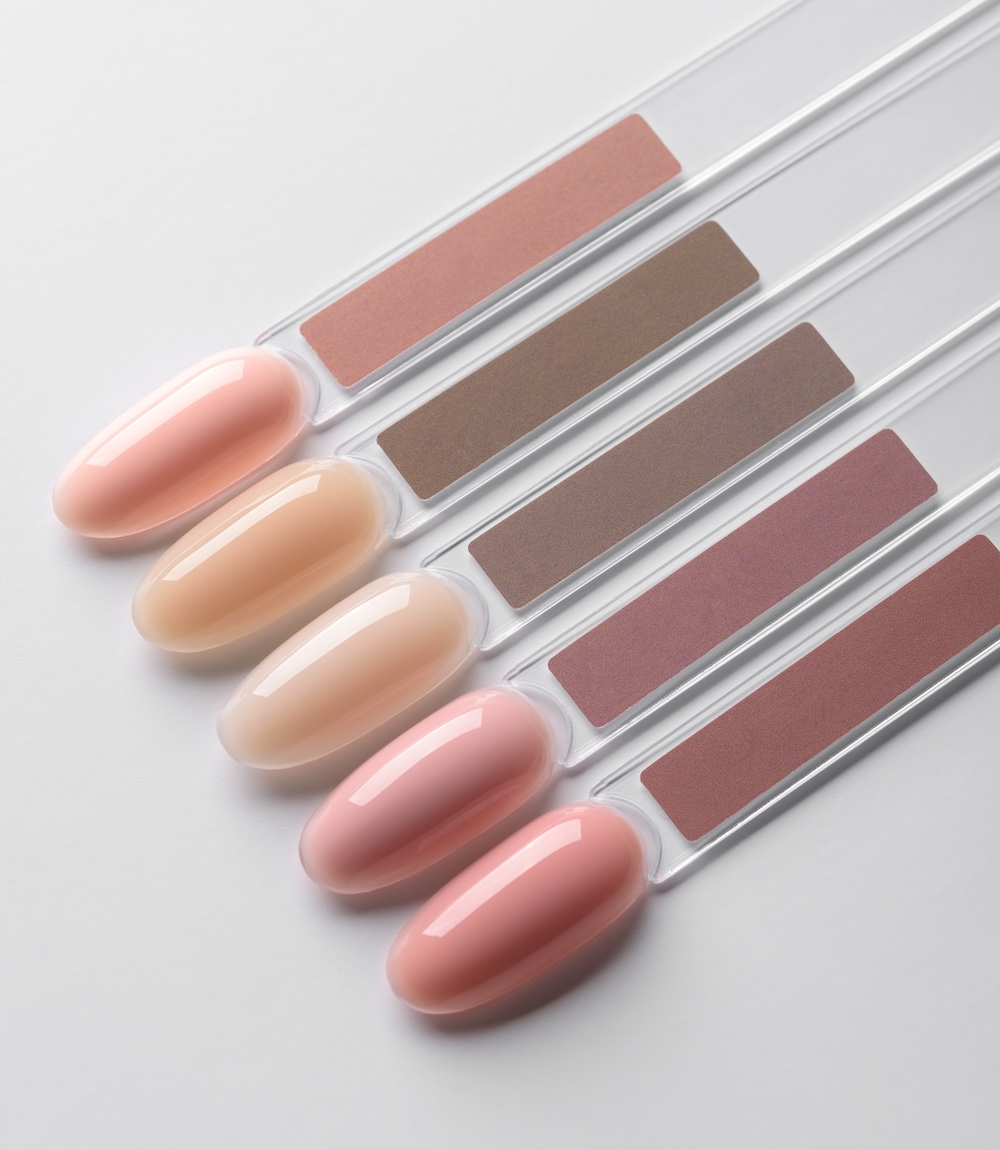
Shade range is another reason builder gel has become so popular with clients.
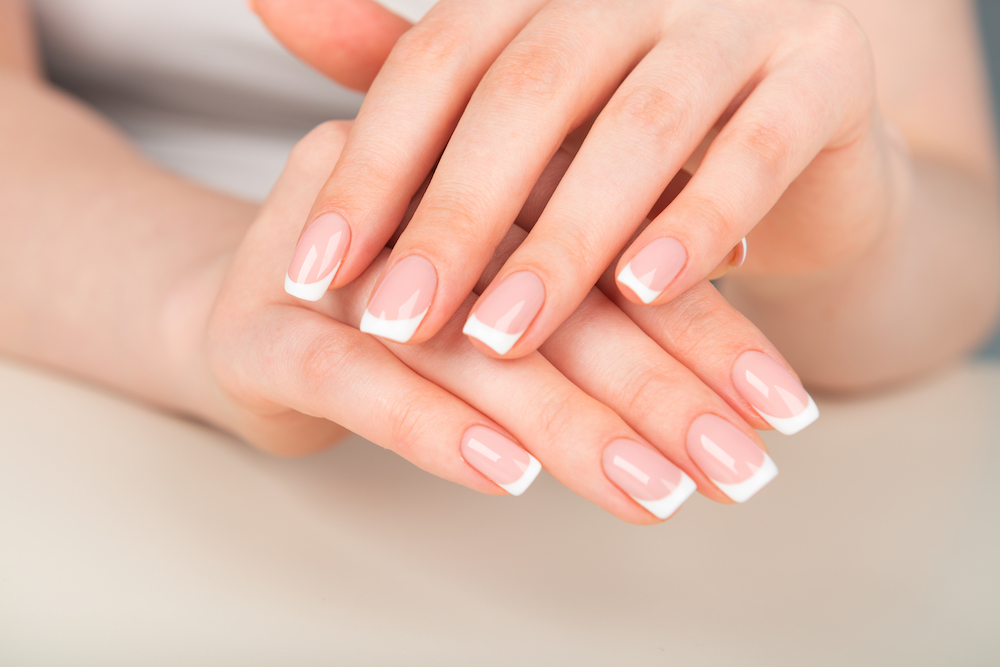
“It comes in lots of gorgeous nude tones – there is one to suit every skin tone – and it makes the perfect base for a French manicure,” Howell notes.
How is builder gel different from regular gel polish?
According to Green, the prep work for builder gel is much the same as it would be for other nail enhancements, however the application is very different.
The thickness of builder gel means it can’t be applied the same way as regular gel, as any inconsistencies on the nail are more obvious.
“With normal gel polish you don’t build any type of structure, but with builder gel you need to make sure the correct structure is there to support the natural nail for when it grows,” explains Green. “They don’t need to be thick, but there does need to be an apex.”
Following the application, the builder gel is then refined by using a file or a buffer, to ensure a smooth and even gel manicure.
How to prep nails for builder gel application
Thorough nail prep is essential for long-lasting builder gel results and to reduce the risk of lifting.
“To begin, the client should wash their hands, then they should be sanitised,” instructs Jennie Nippard, co-founder of Nail Safari and deputy head of education at Glitterbels.
“File the nail, ensuring the free edge is completely smooth. If the builder gel is only being applied to the natural nail, file the free edges into the desired shape, ensuring all are the same length and shape.
“For cuticle work, lift and push back the proximal and lateral nail folds and remove the non-living tissue from the surface of the nail, ensuring there are no traces of cuticle skin left on the nail plate.”
Nippard also advises removing the shine from the nail plate using a 180-grit file, ensuring each area is only touched once.
“Then thoroughly clean and sanitise the surface of the nail, ensuring there is no dust or cuticle debris around the edges of the cuticle area and side walls.”
The cleaner the nail, the lower the risk of lifting.
Are there any drawbacks to builder gel?
While builder gel is a valuable service offering, it isn’t without limitations.
Due to the nature of the application process and the thickness of the gel used, applying and soaking off builder gel can be more time-consuming than with normal gel, because it can take longer to cure or break down when soaking off.
Builder gel can also be infilled, which is less time-consuming than its removal, but can still take longer than a standard gel polish removal.
As such, nail techs should ensure that their pricing reflects this, in addition to informing clients of appointment times.

Builder gel also isn’t suitable for every nail type.
“Some clients will require a sturdier product, such as hard gel or acrygel,” explains Green.
“If someone has really thin, weak nails then builder gel will help whilst the product is on, but as soon as the builder gel is removed, they will still have weak nails,” she adds.
Clear client consultations and appropriate pricing are key.
Can clients develop allergies to builder gel?
Concerns around gel allergies have become increasingly visible online, particularly on TikTok and professional forums.
Allergies can occur with any gel product, including builder gel and regular gel polish. Sensitivity may be caused by incorrect application, product touching the skin, or improper curing.
Ingredients such as HEMA, acrylates, methacrylate and certain solvents can trigger reactions in some clients.
“It’s paramount that staff observe their clients’ nail health to eliminate risks of a reaction,” says Ricketts. “We infill every two to three weeks and do a full removal after their second infill and restart with new overlays.
“If we haven’t seen a client for a really long time, we do a full removal and a nail health check.”
Correct nail prep also plays a vital role, as lifting can allow bacteria and product to become trapped between the nail plate and enhancement.
Top tips for working with builder gel
Industry experts share their professional advice for achieving flawless results.
Bryony Howell
“My number one tip for working with builder gel would be to work with one nail at a time and cure in between nails. This ensures flawless application and saves time – so you don’t have to refine after application.”
Grace Ricketts
“Can I say two? Regular nail health checks and use a fine brush to push and pull the builder gel into place!”
Dayna Green
“Work thinner – thicker nails don’t equal stronger. Also don’t push it too close to the cuticle, so you have a more seamless grow out!”
You might also like: