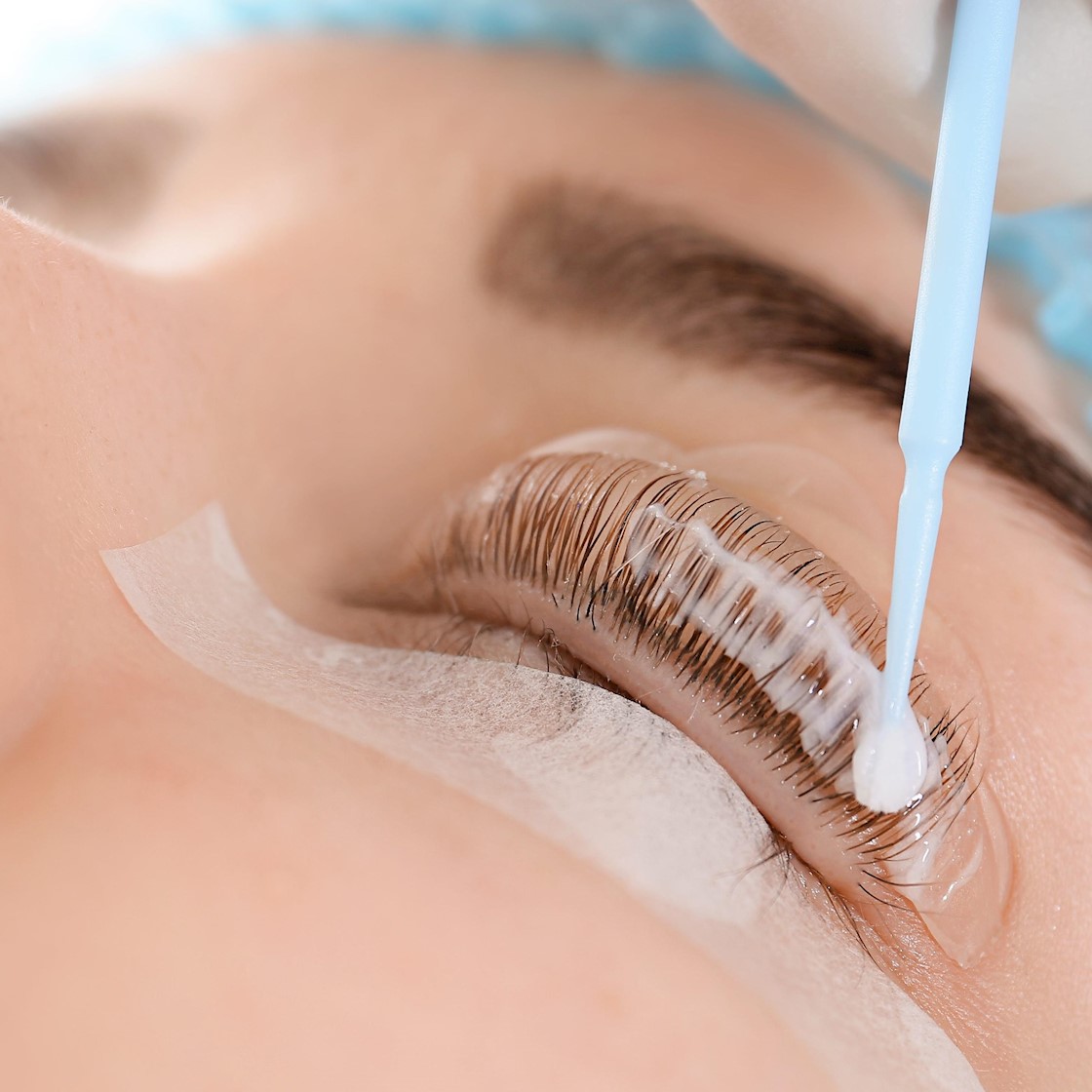
We asked the experts to explain the dangers of over-processing during a lash lift, how to avoid it, and how to help fix the appearance of over-processed lashes
A lash lift is a popular treatment for enhancing natural lashes, but it relies on chemical solutions that must be used carefully. If timing, formulation strength, or application technique isn’t correct, over-processing can occur – weakening the hair structure and compromising results.
This article breaks down the science behind lash lifts, the signs of over-processed lashes, prevention methods, and the safest steps to support clients with damaged lashes.
What is a lash lift and how does it work?
Lash lifts allow your clients to have the appearance of long, full lashes without the need of extensions, false lashes, or make-up.
The process uses a perming solution to essentially change the shape of your lashes and hold them in the desired placement.
“It’s basically your own lashes but better. By manipulating the shape and angle of your own lashes they are lifted in such a way that they appear much longer and fuller,” explains Ruth Atkins, a salon owner and trainer with over 35 years’ experience.
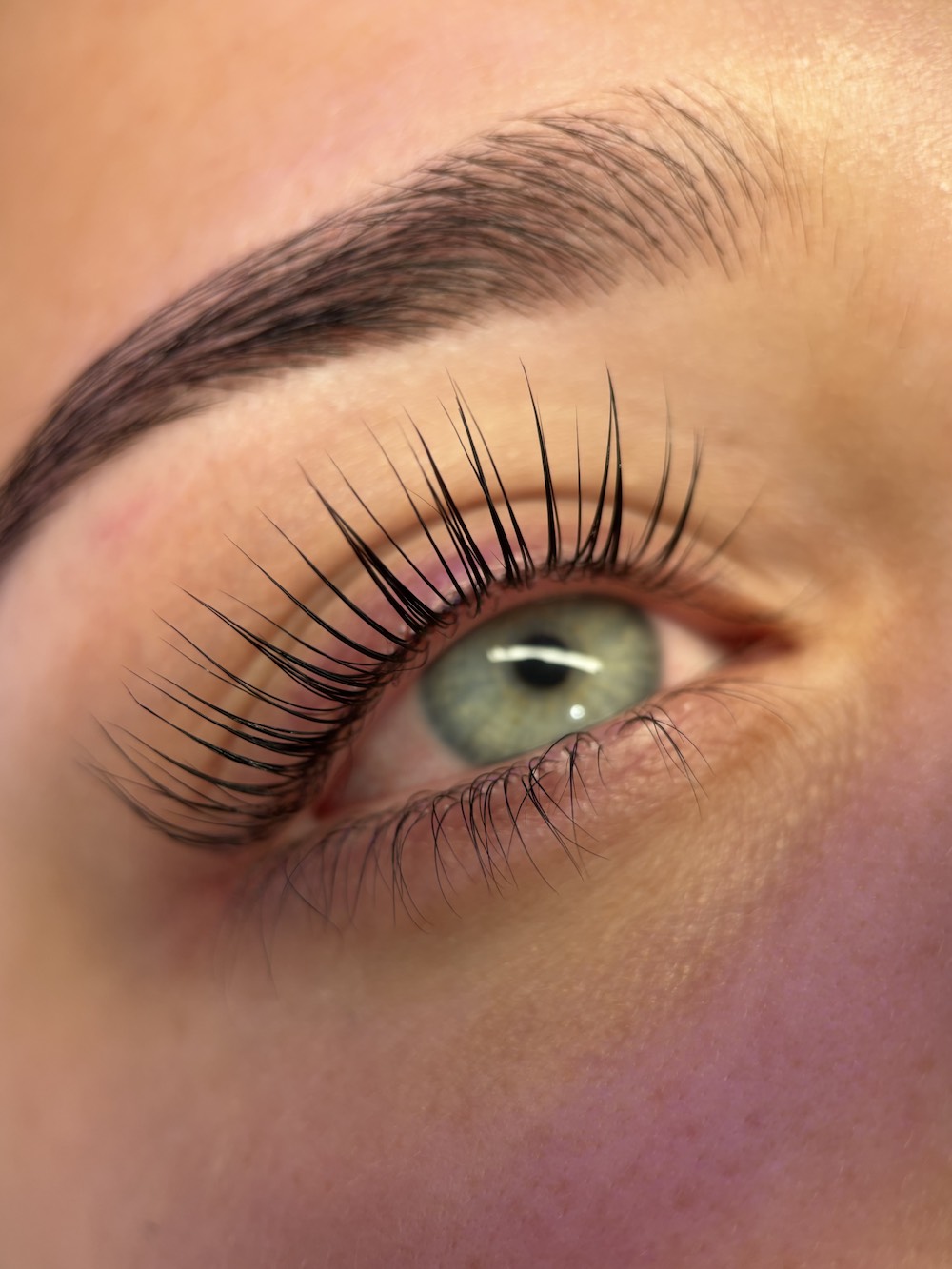
“Your client might have naturally long lashes but, because they might be lying straight, they may look invisible unless they are mechanically curled and dressed with mascara. A lash lift will give this dressed look and lasts the life of the lash (between six to eight weeks.)”
“The lashes are made up of different sections; in the cortex section of the hair there are bonds called disulfide bonds, which help to create the natural shape of your hair,” explains Natalie Dams, owner of Natalie Dams Beauty and NDB Academy in Stamford.
“The lash lift solutions break down these bonds and rebuild them into a new shape using a chemical reaction, creating a lifted or curled lash.”
However, with treatments involving perming solutions, such as lash lifts, there is a risk of over-processing, with little margin for error.
What causes over-processing in lash lifts?
“Over-processing can occur when the lifting solution is left on for too long or when the formulation of the solution is too strong for the client’s lash type,” says Marie Godfrey, Norwich-based brow and lash list specialist and educator at Queen Academy.
“This causes breakage to the disulphide bonds, weakening the internal structure of the hair and leaving the lashes fragile and damaged.”
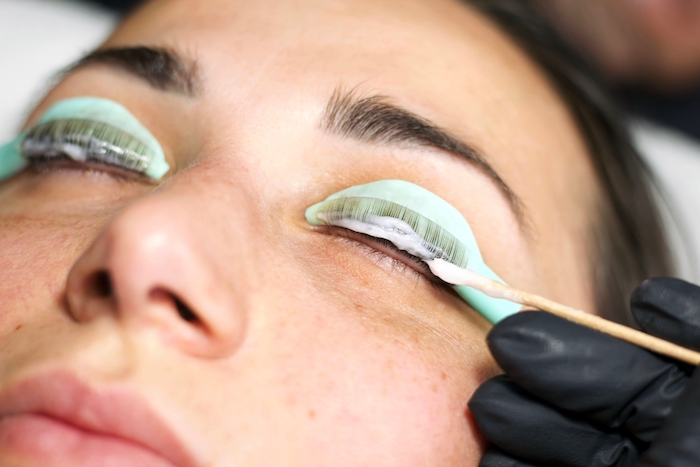
However, over-processing is not the only risk. Under-developing the rebuild solution, also known as the ‘setting cream’ or ‘neutralising lotion’, after the perming solution can also cause the lashes to process incorrectly, according to Dams.
There are also other factors that can contribute to lashes not processing correctly following a lash lift.
“Medication and hormonal changes can also impact the success of a lash lift, which is why both written and verbal consultations before the start of the treatment are crucial,” explains Dams.
What do over-processed lashes look like?
“Over-processed lashes appear over-curled, frizzy, dehydrated, and brittle. They may lose their smooth shape and feel rough or wiry to the touch,” notes Godfrey.
How to care for over-processed lashes
Unfortunately, once lashes have become over-processed, they cannot be reversed. “They will need to naturally shed and re-grow,” explains Godfrey.
“If the lashes are causing discomfort, they can be relaxed using a gentle cysteamine-based system, applied for the shortest possible time to avoid further damage,” she adds.
When it comes to caring for over-processed lashes, Dams advises that a hydrating lash serum should be applied daily while they grow out.
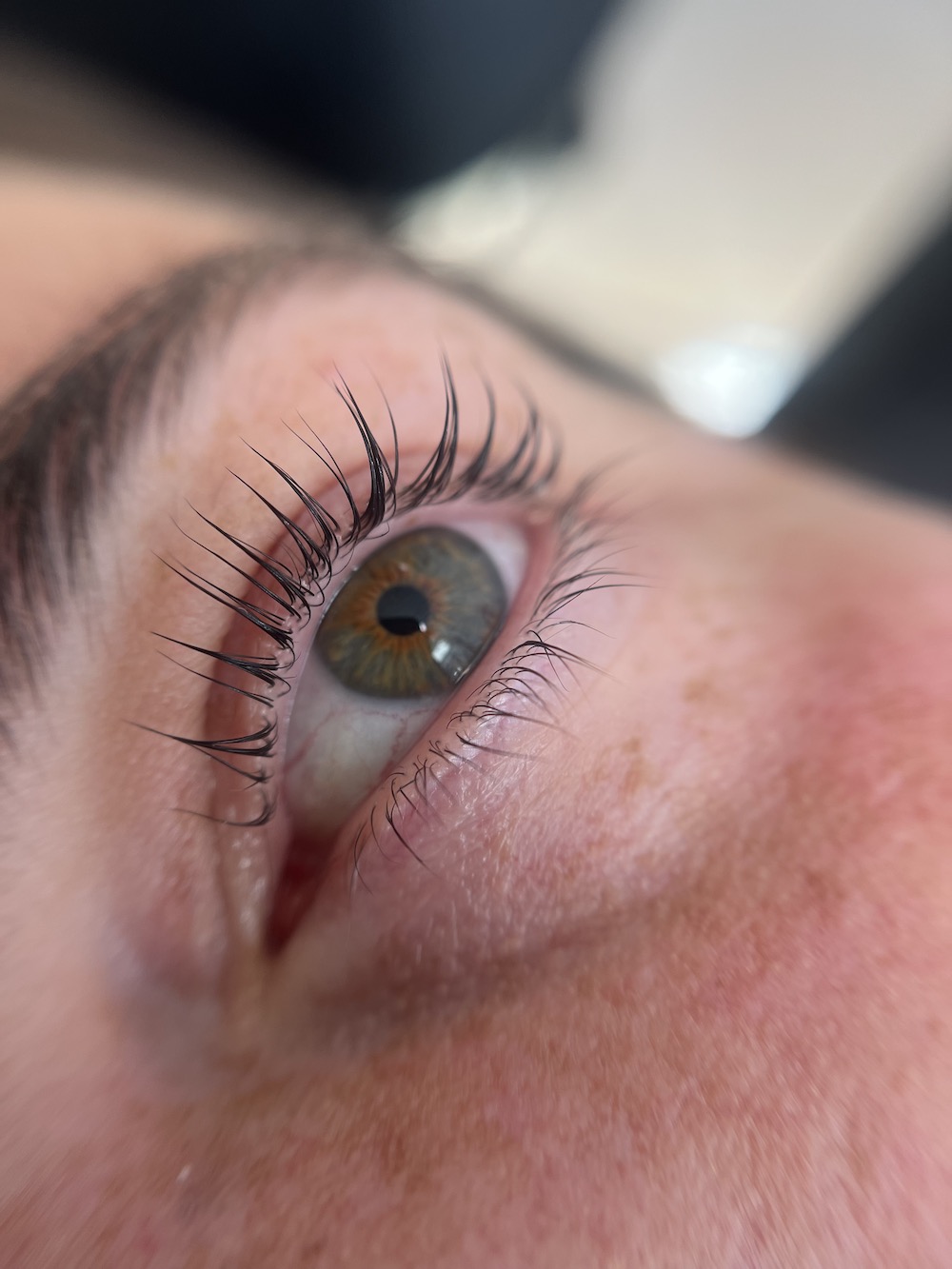
“It’s important to guide your clients towards a serum containing proteins, amino acids and vitamin-rich ingredients,” shares Godfrey.
“I would also recommend that the client avoids mascara on over-processed hair, as removal of this can sometimes cause more damage,” adds Dams.
You can find out more about how to help your client’s grow full, healthy lashes here.
How to avoid over-processing during a lash lift – FAQs
Can you fix over-processed lashes?
Once lashes are over-processed, the damage cannot be fully reversed. They need to shed and regrow naturally. However, hydrating serums and gentle relaxing treatments can help improve the appearance while they recover.
How long does it take for over-processed lashes to grow out?
Lash growth cycles typically last six to eight weeks. Most clients will see noticeable improvement as new lashes replace the damaged ones within one full cycle.
How can professionals prevent over-processing during a lash lift?
Use the correct solution strength for the client’s lash type, strictly follow manufacturer timing guidelines, and avoid under-developing the neutraliser. Assess lash condition thoroughly before beginning any treatment.
What are the first signs a lash lift has been over-processed?
Lashes may look frizzy, overly curled, dehydrated, or feel rough and brittle. They may also lose their smooth, defined shape.
Is over-processing common?
It’s avoidable with proper training and attention to timing. Most cases occur when solutions are left on too long or when the client’s lash health wasn’t properly assessed beforehand.
Can clients wear mascara on over-processed lashes?
Experts advise against it. Removing mascara can tug at already fragile hairs and lead to further breakage.
Discover more lash treatments and trends here.